


Residuals: The Exhibition
Hey Besties, how are you holding up?
Last weekend, I pondered on this very random question: Where were you in the year 2000?
Some thought the world was ending, I was baking in my mom's belly, but the artist Thokozani Mthiyane had other things in mind: he decided to move to Johannesburg at just 31 years old.
Perhaps I should have asked him more about the move when I met him on Saturday, the 31st. Why do I feel like holding the exhibition on that date was an intentional choice (sorry, I'm a bit superstitious).

I got introduced to his work in 2018 during a visit to the Candice Berman art gallery and was intrigued by the color combinations despite the abstract nature of his art. Joburg is small, and in the creative ecosystem, you often come across familiar faces. I am glad that six years later, he is still active.
Last Saturday, at the Asisebenze Art Gallery, he welcomed us into the intimate unravelling of his series titled "Residuals: A study of Flesh, Form and Fracture." Flesh: the vessel. Form: the means. Fracture: the impact.
Much of what we come across in life leaves a mark on us; whether it is for the better or for the worse depends on our ability to alchemise it.
The series Residuals evokes "what remains" and explores masculinity in a challenging economic climate through the lens of drug addicts. After four years of accompanying and observing men in the streets, Thokozani compiled his findings in a provocative exhibition. Through sculptures, paintings, and poetry, the mixed media artist caused a wave of emotions to narrate the damage done by substance abuse.
The subjects, disfigured in all paintings, portray the observable physical changes in one's appearance under the influence. The artist explained that some men would look completely different in the span of just a few days because of Nyoape.
From my gallery to you From my gallery to you From my gallery to you
The work was gut-wrenching and intriguing, which, in my opinion, is testimony to its intent. Art is not just aesthetic. Art is a medium of communication.
By offering us a live performance in which his body served as a vessel for paint, his hands, feet, and words conveyed a deep mourning for the youth. An observer without judgement, he honoured their humanity while painting a sad reality: "They were whole, even in their breaking," he said. He used his body to paint in a way that I would judge as healing to the inner child.
From my gallery to you From my gallery to you From my gallery to you From my gallery to you From my gallery to you From my gallery to you
The message was straightforward, and some details in his paintings were rather amusing. Rich in texture, the section labelled "Black" showed some paint brushes glued to the canvases and covered in black paint. When asked about it, the artist said he left them unattended and forgot about them during the process. When he found the paint and brushes dry, stuck to the work, he decided to go with it.
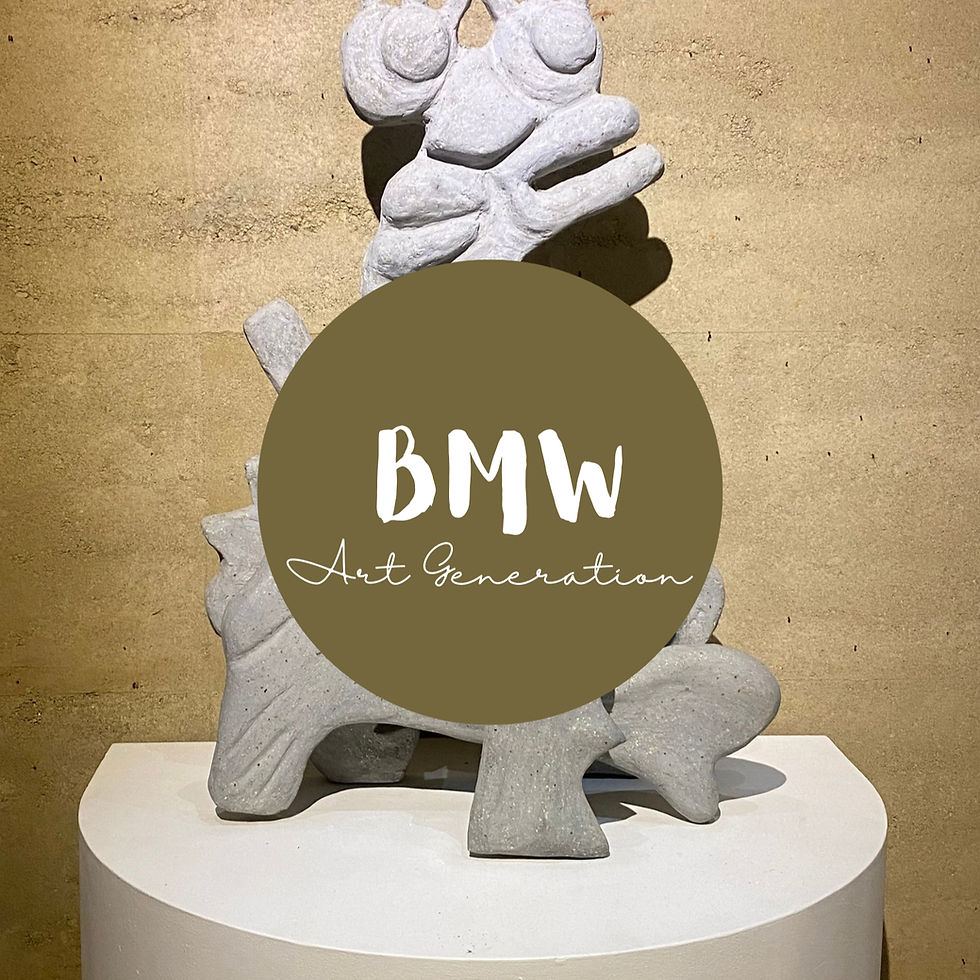
Through sculpture, he portrayed the prevalent hierarchy in the streets, where an "alpha" would dictate the group dynamics. A framework present across social contexts.
From my gallery to you From my gallery to you From my gallery to you
Having attended several campaigns of sensitisation against drug use in school, I believe this passed the message even further. But it pushes me to sympathise with the system we are in. The Gen Z romanticises housing and food affordability, which, according to Maslow's hierarchy of needs, are labelled physiological. When the system makes the basics a luxury, how do we respond to the human need to escape reality?
Through Residuals, Thokozani lives up to his name. The exhibition was his way of "giving thanks" to the subjects for letting him document their experience.
I will leave you on this note.
If you'd like to discuss, please reach out. I write back ;)




Comments